



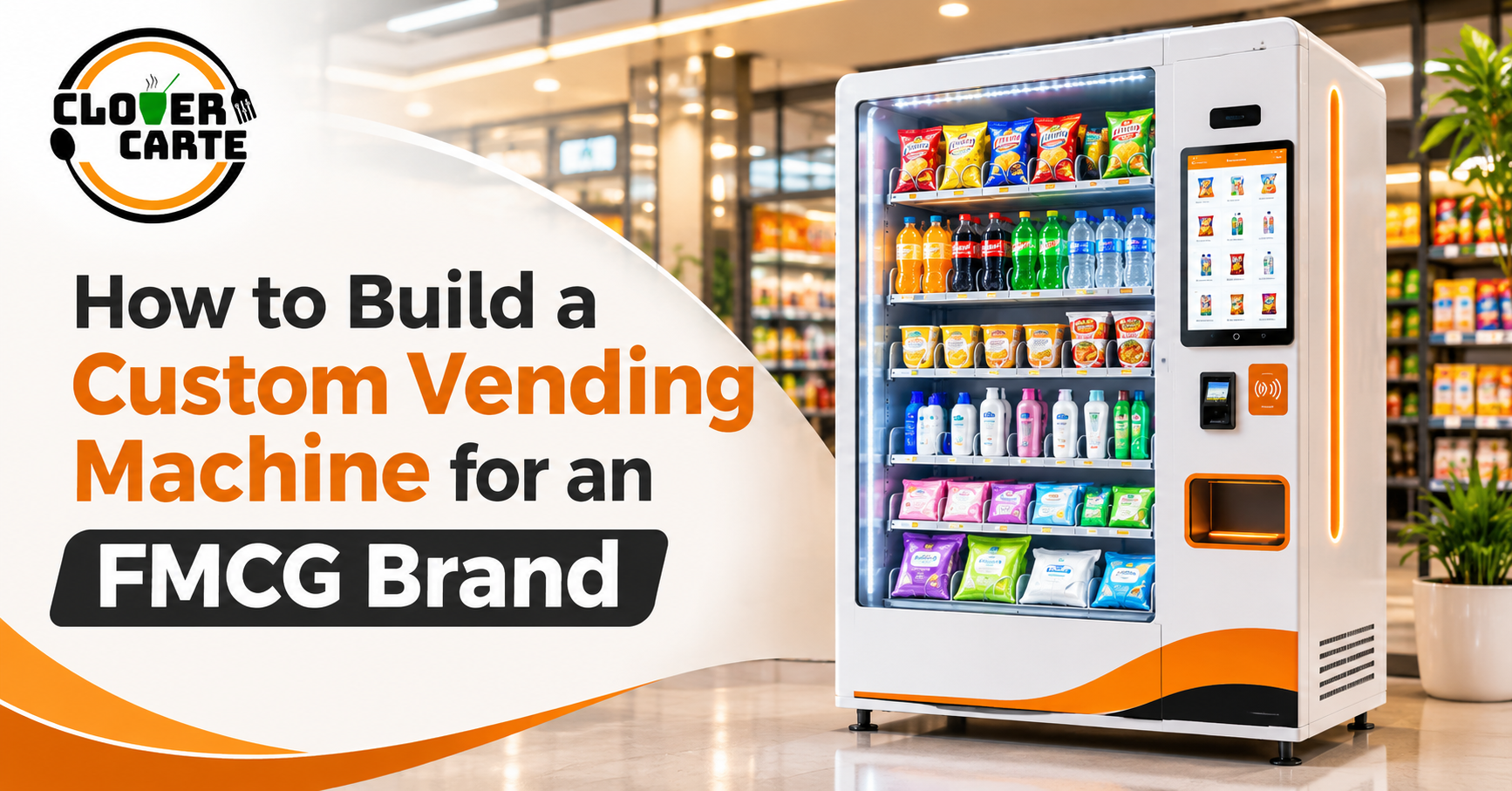
How to build a custom vending machine for an FMCG brand.
The FMCG (Fast-Moving Consumer Goods) industry is constantly evolving, with brands looking for smarter ways to reach customers and improve product accessibility. Traditional retail stores are no longer the only option for selling everyday products. Custom vending machines are becoming an effective solution for FMCG brands that want to offer convenient, automated, and engaging shopping experiences.
But how can an FMCG brand build a custom vending machine that matches its products, branding, and business requirements? Let’s explore the important steps.
In This Article
1. Understand Your Brand and Product Requirements
The first step is to identify what products you want to sell through the vending machine. FMCG products include snacks, beverages, packaged foods, personal care products, cosmetics, household essentials, and other daily-use items.
Different products require different storage spaces, dispensing mechanisms, and machine configurations. For example, a beverage vending machine may require dedicated bottle storage, while a personal care vending machine needs compartments suitable for smaller packaged products.
Understanding your product range helps determine the right machine design.
2. Choose the Right Custom Vending Machine Design
A custom vending machine should reflect your brand identity while providing a convenient shopping experience.
Consider the following design elements:
- Machine Size: Choose dimensions based on product quantity and installation space.
- Product Display: Use glass panels or digital displays to showcase products.
- Branding: Include your brand colours, logo, and visual identity.
- Storage Configuration: Design shelves and compartments according to product dimensions.
- User Interface: Provide an easy-to-use touchscreen for product selection.
A well-designed custom vending machine can improve brand visibility and create a professional retail experience.
3. Integrate Smart Technology and Digital Payments
Technology plays an important role in modern automated retail. An FMCG vending machine can include touchscreen interfaces, cashless payment systems, QR code payments, and smart inventory management.
These features allow customers to select products easily and complete purchases conveniently.
For FMCG brands, smart technology can also provide useful sales information, product performance insights, and inventory updates. IoT-enabled vending solutions can help businesses monitor machine operations remotely.
4. Focus on Product Storage and Dispensing
Product compatibility is one of the most important considerations when developing a customized vending machine.
Before manufacturing, consider product weight, packaging dimensions, shelf arrangement, dispensing requirements, and storage conditions.
The dispensing system should be tested with actual products to ensure reliable product delivery. Proper machine configuration can help reduce product damage and improve the overall customer experience.
5. Select an Experienced Vending Machine Manufacturer
Choosing the right vending machine manufacturer is essential for building a reliable automated retail solution.
Look for a manufacturer that offers customization, hardware integration, software support, product-specific machine configurations, and after-sales assistance.
Clover Carte offers smart vending solutions and customized vending machine manufacturing for different industries and product categories. FMCG brands can explore tailored machine configurations to support their product range, branding requirements, and retail objectives.
6. Choose the Right Installation Location
Location plays an important role in vending machine performance. FMCG brands can consider installing customized vending machines in:
- Shopping malls and retail centres
- Corporate offices and IT parks
- Airports and railway stations
- Colleges and universities
- Hospitals and healthcare facilities
- Residential communities
Selecting locations with relevant customer traffic can improve product accessibility and create additional sales opportunities.
Conclusion
Building a custom vending machine for an FMCG brand involves more than selecting a machine design. It requires proper product planning, branding, technology integration, storage configuration, and manufacturing expertise.
With the right customized vending solution, FMCG businesses can explore automated retail, improve product accessibility, and connect with customers in new locations.
Clover Carte helps businesses explore customized smart vending machines designed around different products and industry requirements. If your FMCG brand is planning to enter automated retail, a custom vending machine could be a practical step towards a smarter retail experience.